Carpal Tunnel Treatment in Calgary
Carpal tunnel syndrome is characterized by tingling, numbness, and discomfort in the hand and fingers - symptoms that tend to develop gradually and are often most noticeable during repetitive hand use, prolonged gripping, or at night.
For many people, the discomfort begins as an occasional annoyance and progressively becomes more consistent, affecting typing, gripping, driving, or fine motor tasks that once felt routine.
While carpal tunnel syndrome is frequently associated with the wrist, the mechanical contributors to these symptoms often extend further. Nerve sensitivity, postural loading, and mechanical restrictions in the forearm, elbow, shoulder, and neck can all influence how symptoms develop and persist.
Common Symptoms
- Tingling or numbness in the hand and fingers
- Symptoms worse at night or on waking
- Discomfort during keyboard or device use
- Weakness or reduced grip strength
- Dropping items unexpectedly
- Pain extending into the forearm
- Symptoms relieved by shaking or moving the hand
- Sensitivity to sustained gripping or pinching
- Altered sensation in the thumb, index, or middle fingers

Same-day appointments often available
Understanding Carpal Tunnel Syndrome
The carpal tunnel is a narrow passage in the wrist formed by bones and connective tissue. The median nerve, which provides sensation and motor control to much of the hand, passes through this tunnel alongside flexor tendons that control the fingers.
When the available space narrows - through tissue swelling, tendon irritation, fluid retention, or structural changes - the median nerve can become compressed, producing the characteristic tingling, numbness, and weakness associated with carpal tunnel syndrome.
Repetitive hand and wrist activity is a well-recognized contributor, but posture, sustained static positions, and mechanical loading further up the kinetic chain also play a role. Prolonged forward head posture and thoracic stiffness, for example, can increase tension along the nerve pathway from the neck to the hand, lowering the threshold at which symptoms occur.
Symptoms frequently fluctuate based on:
- Time of day and sleep position
- Keyboard and device use duration
- Sustained gripping or pinching tasks
- Postural loading and forward head position
- Overall activity level and recovery
When To Seek Evaluation
You may wish to seek assessment if:
- Tingling or numbness is frequent or persistent
- Grip strength has decreased noticeably
- Symptoms are waking you at night
- Hand coordination or fine motor tasks are affected
- Discomfort is spreading into the forearm
- Symptoms have been present for more than a few weeks
- Conservative measures have not produced improvement
Early assessment helps identify whether symptoms originate at the wrist, further up the arm, or from the cervical spine - guiding care that is targeted rather than generic.
Same-day appointments often available
Contributing Factors
Carpal tunnel symptoms are often associated with:
- Repetitive keyboard, mouse, or device use
- Prolonged gripping or pinching tasks
- Forward head posture and thoracic stiffness
- Sustained static wrist positions
- Workstation ergonomics
- Fluid retention or hormonal changes
- Neck or shoulder mechanical restrictions
- Reduced movement variability throughout the day
Identifying which combination of factors is most relevant to your presentation guides a more targeted care approach.
Our Approach to Carpal Tunnel Relief
Chiropractic assessment for carpal tunnel symptoms evaluates the full mechanical picture - from the cervical spine and thoracic outlet through the shoulder, elbow, forearm, and wrist. Symptoms at the hand level frequently reflect a combination of local and upstream contributors.
Treatment typically addresses joint mobility restrictions and soft tissue tension patterns along the nerve pathway, while also considering postural and ergonomic factors that may be sustaining the problem.
Assessment considers:
- Cervical and thoracic spine mobility
- Shoulder and elbow mechanics
- Wrist and hand range of motion
- Nerve tension testing
- Postural and workstation factors
- Symptom patterns across the day
Treatment remains gentle, precise, and individualized.
Care prioritizes reducing nerve sensitivity, improving joint and soft tissue mechanics along the full nerve pathway, and supporting sustainable symptom relief.

Don't wait to start feeling better.
Easily book your appointment online and find relief in our comfortable, welcoming clinic
New Patient Offer
A focused consultation and mechanical assessment helps clarify whether your hand and wrist symptoms originate locally at the wrist or involve contributing factors in the forearm, shoulder, or cervical spine.
What To Expect During Care
Our Care is Never Rushed or Forceful
Many patients appreciate a measured, collaborative approach that prioritizes gradual improvement, clear communication, and techniques tailored specifically to their presentation.
Each visit is guided by:
- Your comfort
- Movement tolerance
- Clinical findings
- Individual needs
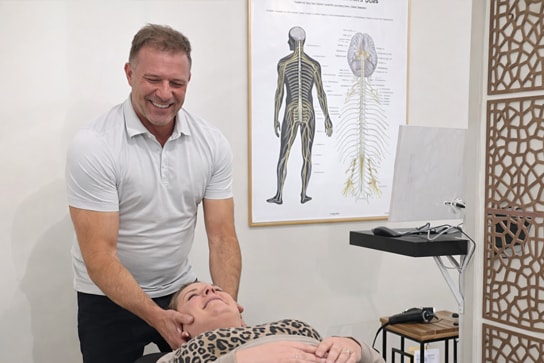
Struggling With Carpal Tunnel Symptoms?

Hand tingling, numbness, and weak grip associated with carpal tunnel syndrome often involve mechanical contributors beyond the wrist - including the forearm, shoulder, and cervical spine. Chiropractic assessment evaluates the full picture.
- Reduce hand tingling and numbness
- Improve wrist and forearm mechanics
- Address nerve pathway contributors
Same-day appointments often available
New Patient Offer
A focused consultation and mechanical assessment helps clarify whether your hand and wrist symptoms originate locally or involve contributors in the forearm, shoulder, or cervical spine.
New Patient Offer
A focused consultation and mechanical assessment helps clarify whether your hand and wrist symptoms originate locally or involve contributors in the forearm, shoulder, or cervical spine.