Vertigo & Dizziness Treatment in Calgary
Vertigo and dizziness are disorienting experiences that can range from a brief spinning sensation to persistent imbalance that affects daily function. For many people, these symptoms are linked to how the inner ear, the cervical spine, and the brain work together to regulate balance and spatial orientation.
When these systems are disrupted - through mechanical dysfunction in the cervical spine, inner ear crystal displacement, or movement-related triggers - the result is often a mismatch between what the body expects and what it senses, producing dizziness, spinning sensations, or unsteadiness.
The intensity, duration, and triggers of vertigo vary considerably between individuals. Some people experience brief episodes triggered by head position changes. Others notice persistent low-grade dizziness or unsteadiness that accumulates throughout the day.
Common Symptoms
- Spinning or tumbling sensation (vertigo)
- Dizziness or lightheadedness
- Unsteadiness or imbalance when moving
- Symptoms triggered by head position changes
- Nausea accompanying dizziness episodes
- Neck stiffness alongside dizziness
- Symptoms worse in the morning or when rolling over in bed
- Dull headache or head pressure with dizziness
- Visual disturbance during episodes
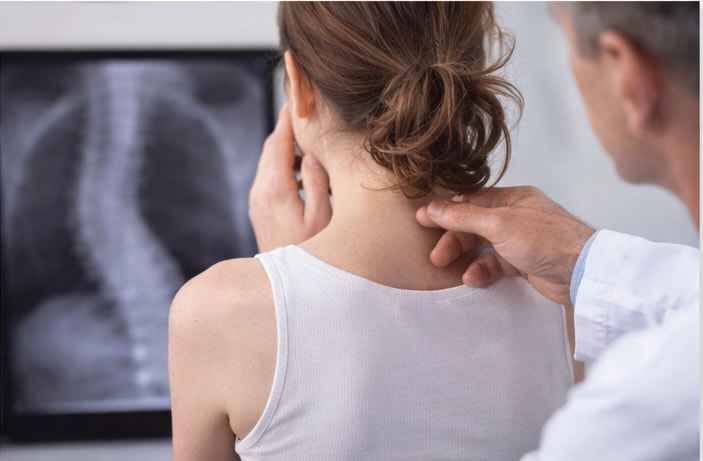
Same-day appointments often available
Understanding Vertigo & Dizziness
Balance relies on a continuous conversation between three systems: the vestibular system (inner ear), the visual system (eyes), and the proprioceptive system (joint and muscle position sensors throughout the body, particularly in the cervical spine).
When any of these systems sends conflicting signals, the brain interprets the mismatch as movement - even when the body is still. This produces the characteristic spinning or floating sensation associated with vertigo.
Benign paroxysmal positional vertigo (BPPV) is the most common form of vertigo, caused by displaced calcium crystals in the inner ear canals. These crystals, called otoconia, stimulate movement sensors inappropriately when the head changes position, producing brief but intense spinning episodes.
Cervicogenic dizziness involves mechanical dysfunction in the cervical spine contributing to altered proprioceptive input. The upper cervical joints are rich in position-sensing receptors, and joint restrictions or muscular tension in this region can disrupt the balance signals sent to the brain.
Presentations frequently involve a combination of vestibular and cervical contributors rather than a single isolated cause.
When To Seek Evaluation
You may wish to seek assessment if:
- Dizziness episodes are frequent or worsening
- Spinning sensations occur with head position changes
- Unsteadiness is affecting daily activities or safety
- Neck stiffness accompanies dizziness symptoms
- Nausea regularly accompanies episodes
- Symptoms began or worsened after a neck injury or accident
- Dizziness is disrupting sleep
- You have been managing symptoms for more than a few weeks without improvement
Clinical assessment helps distinguish between vestibular, cervical, and other contributors to dizziness - guiding care that is targeted to your specific presentation.
Same-day appointments often available
Contributing Factors
Vertigo and dizziness are often associated with:
- Displaced inner ear crystals (BPPV)
- Upper cervical joint restrictions
- Whiplash or neck injury history
- Prolonged static head positions
- Forward head posture and screen use
- Sudden head movements or position changes
- Post-concussion vestibular disruption
- Age-related changes in vestibular function
Identifying the primary contributors guides the most appropriate care approach for your specific pattern of symptoms.
Our Approach to Vertigo Relief
Chiropractic care for vertigo and dizziness addresses mechanical contributors to balance disruption - particularly those originating in the cervical spine and its interaction with vestibular function.
Assessment begins with a thorough evaluation of head position, cervical mechanics, and symptom triggers. When BPPV is suspected, specific positional testing helps confirm which ear and canal are involved, and repositioning maneuvers can be performed to address displaced crystals.
For cervicogenic dizziness, care focuses on restoring upper cervical joint mobility, reducing muscular tension, and improving the quality of proprioceptive signals sent from the cervical spine to the brain. This approach is gentle and carefully adapted to symptom sensitivity.
Assessment considers:
- Upper cervical joint mobility and mechanics
- Positional testing for BPPV
- Head position and postural contributors
- Neck injury or accident history
- Symptom triggers and patterns
- Visual and balance function
Treatment is gentle, individualized, and adapted to your comfort and symptom sensitivity.
Care prioritizes reducing dizziness frequency and intensity, restoring cervical mobility, and improving functional balance and daily comfort.
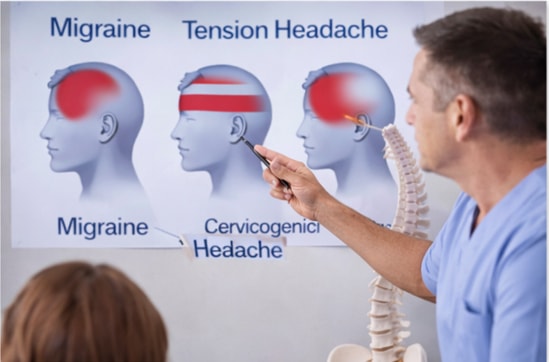
Don't wait to start feeling better.
Easily book your appointment online and find relief in our comfortable, welcoming clinic
New Patient Offer
A focused consultation and mechanical assessment helps clarify whether your vertigo or dizziness involves cervical spine mechanics, inner ear function, or a combination of both - and what care is most appropriate for your specific presentation.
What To Expect During Care
Our Care is Never Rushed or Forceful
Many patients appreciate a measured, collaborative approach that prioritizes gradual improvement, clear communication, and techniques tailored specifically to their presentation.
Each visit is guided by:
- Your comfort
- Movement tolerance
- Clinical findings
- Individual needs
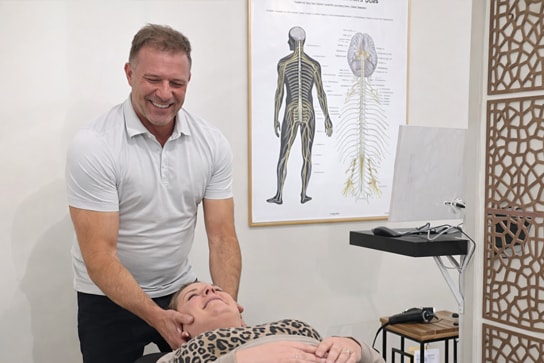
Struggling With Vertigo or Dizziness?
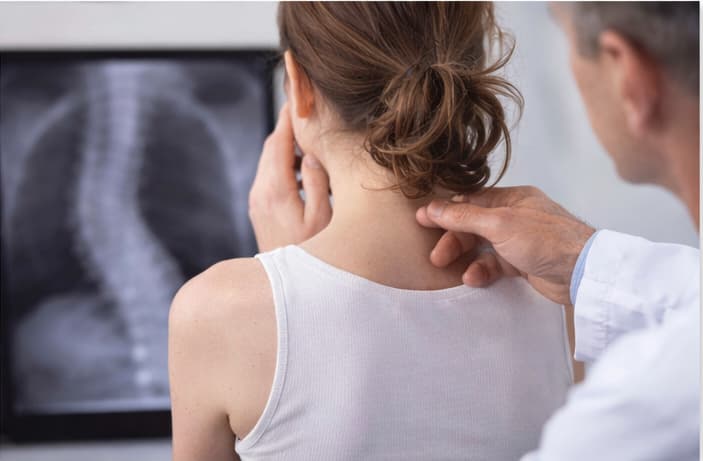
Vertigo and dizziness related to the cervical spine or inner ear can significantly disrupt daily life. Chiropractic assessment evaluates mechanical contributors to balance disruption and may include repositioning techniques for BPPV.
- Reduce dizziness frequency and intensity
- Address cervical spine contributors
- Support balance and daily function
Same-day appointments often available
New Patient Offer
A focused consultation and assessment helps clarify whether your vertigo or dizziness involves cervical spine mechanics, inner ear function, or a combination of both.
New Patient Offer
A focused consultation and assessment helps clarify whether your vertigo or dizziness involves cervical spine mechanics, inner ear function, or a combination of both.