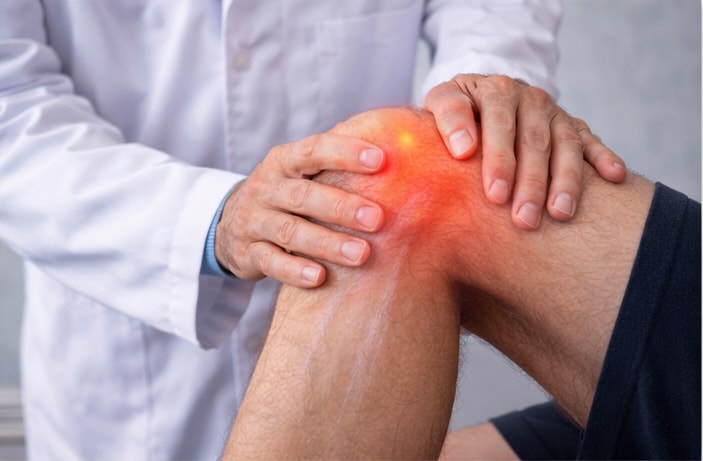
Understanding Joint Inflammation
Inflammation is part of the body's natural response to stress, injury, or irritation. In the short term, this process helps protect damaged tissue, initiate repair, and limit further harm. Warmth, swelling, and localized tenderness at the affected site reflect increased blood flow and cellular activity.
When inflammation becomes prolonged or recurrent, however, it can shift from protective to problematic. Persistent inflammatory activity around a joint is associated with ongoing stiffness, reduced range of motion, and discomfort that may gradually interfere with everyday tasks. The joint itself may become sensitized, meaning normal loading that was previously painless begins to provoke a response.
Joint inflammation may be influenced by a variety of factors, including mechanical stress, repetitive loading, previous injury, degenerative changes, and systemic conditions. Often, multiple contributors are present simultaneously, which is why evaluating the full picture matters more than attributing symptoms to any single cause.
Mechanical & Lifestyle Influences
Joint mechanics play an important role in how forces are distributed through the body during movement. When a joint moves through its range in a restricted, asymmetrical, or compensatory pattern, certain surfaces bear disproportionate load. Over time, this uneven stress may contribute to local irritation and inflammatory responses, even in the absence of acute injury.
Muscular imbalances compound this effect. When some muscles around a joint are overactive or shortened and others are underused, the joint is pulled out of its optimal alignment under load. This alters contact patterns and can accelerate wear on structures that were not designed to bear that particular stress.
Lifestyle factors also matter in ways that are often underappreciated. Insufficient sleep impairs the body's ability to regulate inflammatory responses. Sustained sedentary behaviour reduces the regular movement that joints rely on for nutrient exchange within cartilage, a dynamic explored in detail in our article on the sitting epidemic. Conversely, abrupt spikes in activity without adequate preparation can overload tissues before they have adapted to new demands.
Chiropractic Care & Joint Comfort
Chiropractic care commonly focuses on joint mobility, movement quality, and the mechanical contributors that maintain or worsen discomfort. Restricted joints that are not moving through their full range tend to accumulate stiffness and may place increased demand on neighbouring structures, a pattern that chiropractic assessment is specifically designed to identify.
By addressing mobility restrictions and improving movement mechanics, chiropractic care may help reduce the repetitive mechanical stress that sustains joint irritation. Care is always adapted to the individual's tolerance and the nature of their presentation, particularly when active inflammation is present and sensitivity is elevated.
Supporting Long-Term Joint Health
Maintaining joint health over time generally involves a combination of strategies: preserving movement variability so no single pattern dominates, gradually building strength in the muscles that support the joint, managing overall load relative to current tissue capacity, and allowing adequate recovery between demands. Our article on exercise, stretching, and mobility covers gradual progression strategies that are particularly relevant when returning to activity with sensitive joints.
Small, consistent habits tend to produce better outcomes than periodic intensive efforts. Joints respond well to regular, varied movement that keeps tissues hydrated, mobile, and responsive, and tend to suffer under sustained positions, prolonged immobility, or abrupt load spikes.
If joint discomfort or stiffness persists, or if symptoms are progressing despite self-management, clinical evaluation may help clarify the mechanical and functional contributors involved and guide an appropriate care approach.