Mobility, Mechanics & Performance
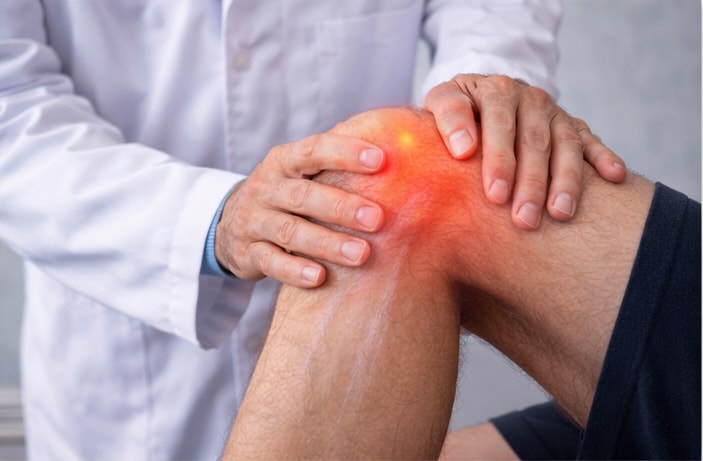
Efficient movement depends on balanced joint mechanics, coordinated muscular function, and adequate mobility. Restrictions, asymmetries, or tension patterns may gradually influence how forces are distributed throughout the body during training and competition.
Chiropractic care commonly emphasizes restoring joint mobility, improving movement quality, and addressing mechanical contributors that may affect comfort or performance capacity. Complementary strategies such as warm-up protocols, stretching and mobility work, and gradual load progression tend to support these outcomes.
Supporting Recovery & Injury Management
Injuries, overuse patterns, and minor movement limitations are common in athletic populations. Chiropractic evaluation often considers joint mechanics, soft tissue tension, and movement patterns when developing individualized care strategies.
Improving mobility and reducing mechanical irritation may assist recovery processes and help support functional movement. Our article on exercise, stretching, and mobility covers progression strategies relevant to active individuals managing recurring discomfort or returning from injury.
Demands Across Different Sports
Both high-impact and low-impact activities introduce distinct mechanical stresses. Sports involving repetitive rotation, sustained postures, or asymmetric loading frequently contribute to tension patterns and mobility restrictions.
Addressing these factors often supports improved movement tolerance and comfort.
An Individualized Approach
Athletic care strategies vary based on sport demands, training volume, injury history, and individual biomechanics. Chiropractic assessment helps guide treatment that is adapted to patient presentation, movement findings, and performance goals.
If you are experiencing recurring discomfort, stiffness, or mobility limitations affecting your training, visit our back pain or arm and hand pain condition pages, or contact our team to discuss appropriate care options.