Undergraduate Prerequisites
Admission to an accredited chiropractic institution requires a strong academic foundation. Prospective students typically complete significant undergraduate coursework in biological sciences, chemistry, physics, and related disciplines prior to entering a professional chiropractic program.
This foundational preparation ensures students can manage the rigorous science-based curriculum of doctoral training.
Academic & Clinical Training
In Canada, chiropractors complete a rigorous post-graduate doctoral program following prerequisite undergraduate studies. Professional chiropractic programs emphasize detailed study of:
- Spinal mechanics, neuromusculoskeletal function, and human anatomy
- Diagnostic reasoning, imaging interpretation, and clinical assessment
- Rehabilitation principles and patient management strategies
- Hands-on therapeutic techniques including manual therapy and joint mobilization
Students spend thousands of hours in classroom, laboratory, and clinical environments developing both theoretical knowledge and practical clinical skills.
Supervised Clinical Experience
Clinical training forms a significant portion of chiropractic education. Under supervised settings, students evaluate patients, develop care strategies, and gain hands-on experience in assessment, communication, and evidence-informed decision-making.
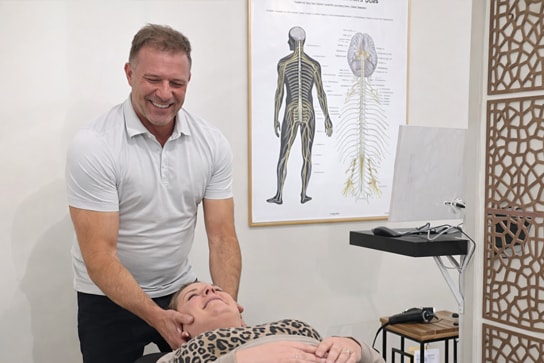
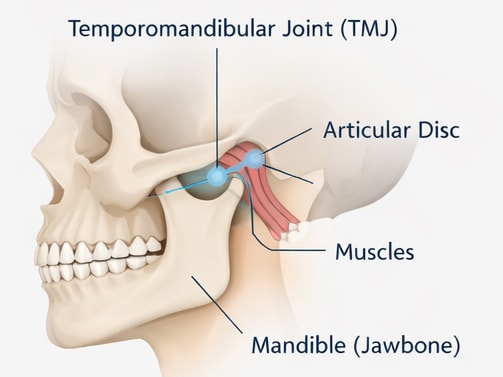
Because chiropractic care frequently involves manual therapy, education places particular focus on joint mechanics, mobility assessment, and patient-centered treatment planning. Chiropractors are also trained to recognize situations that require referral to other healthcare providers when appropriate.
Licensing & Professional Standards
Graduation from an accredited chiropractic program represents only one step in the professional pathway. Chiropractors must also successfully complete national board examinations and meet provincial regulatory requirements prior to practicing independently.
Licensing standards are designed to ensure practitioners demonstrate competency in clinical assessment, diagnostic reasoning, imaging safety, and patient care principles. Regulatory bodies also require ongoing continuing education, reflecting the evolving nature of healthcare knowledge and best practices.
Regulated Primary Contact Practitioners
Chiropractors are regulated healthcare providers who function as primary contact practitioners. Patients typically do not require referrals, allowing direct access to clinical assessment and care.
Treatment recommendations are guided by individual evaluation, mobility findings, clinical reasoning, and patient comfort.
Why Education Matters for Patients
For patients, understanding educational preparation provides reassurance that care decisions are grounded in formal training, clinical evaluation, and professional standards. Chiropractic education extends well beyond spinal adjustment techniques, encompassing broader knowledge of movement, biomechanics, and functional contributors to discomfort.
As with any healthcare discipline, individual practitioners may develop particular areas of clinical focus shaped by experience, patient populations, and continuing education pursuits.
If you have questions about chiropractic care or what to expect during an assessment, visit our FAQs page or speak with our team directly.