Understanding Migraine Presentations
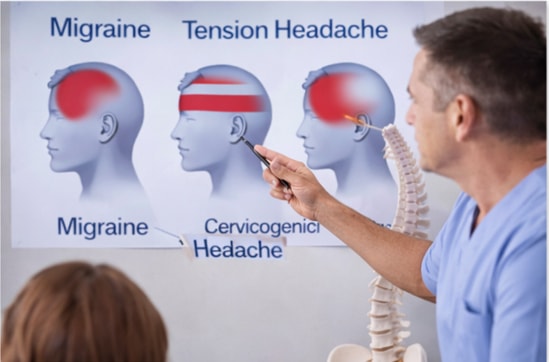
Migraines differ from more common tension-type headaches in both character and impact. Episodes are frequently characterized by moderate to severe head pain, often described as throbbing or pulsating, and are commonly accompanied by nausea, light sensitivity, sound sensitivity, or visual disturbances. Some individuals experience an aura beforehand, which may involve visual changes, tingling, or temporary sensory shifts that signal an episode is approaching.
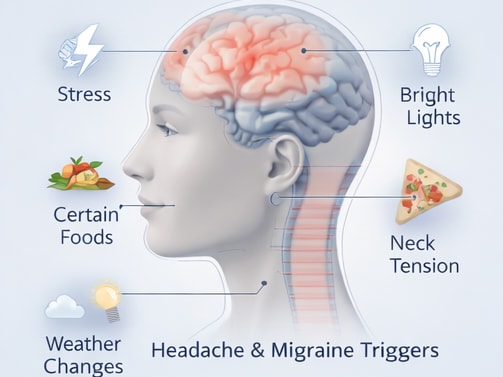
The duration and frequency of migraines vary considerably between individuals. Some people experience infrequent episodes with manageable intensity, while others deal with recurring attacks that significantly limit work, activity, and quality of life. Triggers and contributing factors are equally variable. Stress, disrupted sleep, hormonal fluctuations, dietary factors, environmental stimuli, and muscular tension may all play roles, often in combination.
Mechanical & Musculoskeletal Influences
Although migraines are neurological in nature, musculoskeletal factors can influence symptom patterns in some individuals. The cervical spine and surrounding musculature have well-documented connections to headache generation. Tension through the upper neck and suboccipital region, restricted joint mobility, and sustained postural loading can all sensitize surrounding structures in ways that may lower the threshold for migraine episodes or worsen their intensity when they occur.
This is particularly relevant for people whose migraines tend to be preceded or accompanied by neck stiffness or upper back tension. In these presentations, mechanical contributors are worth evaluating alongside broader migraine management strategies. Our article on headache types, triggers, and chiropractic care covers these overlapping patterns in more detail.
Chiropractic Care & Migraine Management
Chiropractic care does not treat migraines as a neurological disease, and it is important to approach expectations accordingly. What chiropractic assessment can offer is a closer look at the mechanical contributors that may be amplifying or sustaining migraine vulnerability in a given individual.
Some patients report a reduction in headache frequency or intensity when cervical joint restrictions, muscular tension patterns, or postural influences are addressed. The response varies between individuals, and care is always guided by clinical findings and realistic goal-setting. For patients with a clear mechanical component to their headaches, addressing neck mobility and cervical mechanics is often a reasonable starting point.
An Individualized Approach
Effective migraine management often involves more than one strategy. Identifying personal triggers, improving sleep consistency, managing stress load, staying well hydrated, and reducing sustained muscular tension all tend to contribute in meaningful ways. Chiropractic assessment may form one component of this broader approach, particularly where mechanical contributors have been identified.
Some patients benefit from coordinated care involving their family physician and chiropractor, especially when medication management and mechanical care are both relevant parts of the picture.
When to Seek Clinical Evaluation
Persistent headaches, any meaningful change in established headache patterns, or the onset of new neurological symptoms should be evaluated promptly by an appropriate healthcare provider. When headache presentations are stable but recurring, clinical assessment can help identify whether mechanical contributors are playing a role and what management options are available.
If you have questions about migraines or headache-related symptoms, visit our headaches and migraines page or contact our team directly.